

Female Gynecologist in Edgewater, IL
A gynecologist is a medical specialist focused on female reproductive and sexual health. Dr. Michelle Trandai provides comprehensive gynecological care for patients in Edgewater and surrounding neighborhoods. Services include routine pelvic examinations, Pap tests, preventive cancer screenings, and diagnostic testing and treatment for vaginal infections. For more information, contact us or schedule an appointment online. We are conveniently located at 5449 N Broadway, Chicago, IL 60640.
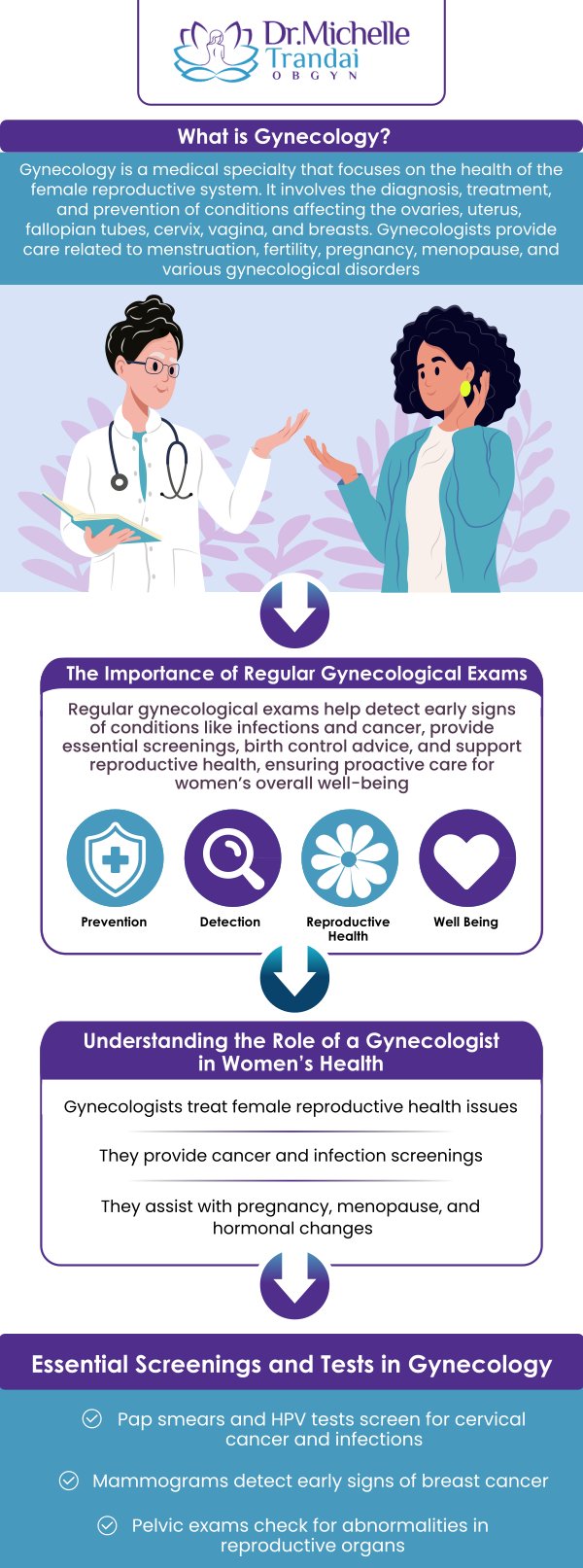
Table of Contents:
What does a gynecologist do for females?
When should girls go to a gynecologist?
What does a gynecologist do at your first appointment?
What happens if you don’t go to the gynecologist?
How Can Dr. Michelle Trandai, MD Provide Personalized Gynecologic Care for Women in Edgewater, IL?
Gynecologists play a crucial role in preventive care, focusing on early detection and the promotion of overall well-being. Regular check-ups and screenings are essential in identifying potential gynecological conditions before they become more serious. Gynecologists conduct physical examinations and order diagnostic tests such as Pap smears and mammograms to detect cervical and breast cancer. By diagnosing these conditions at an early stage, gynecologists can initiate prompt treatment and significantly improve patient outcomes. Furthermore, gynecologists guide healthy lifestyle choices, including nutrition and exercise, which can positively impact reproductive health. They also educate patients on contraception methods and family planning, enabling women to make informed decisions about their reproductive choices and prevent unwanted pregnancies. Through their role in preventive care, gynecologists empower women to take control of their reproductive health and make proactive choices.
In addition to preventive care, gynecologists are responsible for diagnosing and treating a wide range of gynecological conditions. They perform physical examinations and order diagnostic tests to identify and diagnose common conditions such as urinary tract infections (UTIs), yeast infections, and menstrual disorders. By accurately diagnosing these conditions, gynecologists can provide appropriate treatment options and alleviate symptoms. Furthermore, gynecologists specialize in managing reproductive health issues such as polycystic ovary syndrome (PCOS) and endometriosis. These conditions can significantly impact a woman’s quality of life, and gynecologists play a crucial role in providing comprehensive care and helping patients manage their symptoms effectively. By staying up to date with the latest research and advancements in gynecology, gynecologists ensure they can offer their patients the most effective and evidence-based treatments.
Gynecologists also provide specialized care and perform surgical procedures when necessary. They offer prenatal care to expectant mothers, monitoring the health of both the mother and the developing fetus. This includes regular check-ups, ultrasounds, and screenings to ensure a healthy pregnancy and delivery. Additionally, gynecologists perform various gynecological surgeries, such as hysterectomies, laparoscopies, and colposcopies. These procedures may be required to treat conditions such as uterine fibroids, ovarian cysts, or abnormal cervical cells.
Gynecologists also provide care for women experiencing menopause and help manage associated symptoms such as hot flashes, mood swings, and vaginal dryness. By offering specialized care and surgical procedures, gynecologists ensure that women receive the necessary treatment for their specific reproductive health needs.
Exploring the different aspects of women’s health reveals the diverse areas that gynecological care encompasses. Reproductive health is a critical aspect, encompassing the menstrual cycle, contraception, and fertility. Gynecologists play a vital role in educating women about their menstrual cycle, helping them understand what is normal and what may require medical attention. They also provide guidance on contraception methods, tailoring them to individual needs and preferences. Sexual health is another crucial aspect of women’s well-being.
Gynecologists can provide information on sexually transmitted infections (STIs), including prevention strategies and the importance of regular testing. They can also address concerns related to sexual education and communication, helping women foster healthy and fulfilling intimate relationships.
It is highly recommended that girls visit their gynecologist for the first time between the ages of 13 and 15, as this is around the age when they first begin their periods; however, girls will usually not have a pelvic exam during their first visit.
Understanding the basics of gynecological care is essential for women to take charge of their health. Gynecological care focuses on the female reproductive system, including the uterus, ovaries, fallopian tubes, and breasts. Regular check-ups and screenings are crucial in detecting any potential issues early on. These screenings may include Pap smears, mammograms, and pelvic exams. By identifying problems in their early stages, women can receive timely treatment and prevent the progression of conditions such as cervical cancer, breast cancer, and sexually transmitted infections (STIs). In addition to preventive care, gynecological care also addresses common conditions that affect women’s health. Conditions such as polycystic ovary syndrome (PCOS), endometriosis, and uterine fibroids can significantly impact a woman’s quality of life. By seeking gynecological care, women can receive appropriate diagnosis, treatment, and management strategies for these conditions.
When it comes to your first visit to a gynecologist, usually the doctor will just initiate conversation. During this conversation, they may ask specific questions, including questions about your body, sex, and growing up. You may also be asked to consent to certain exams and vaccinations. During your visit, you can ask any questions you may have.
If a patient decides not to seek gynecological care from a gynecologist, or any primary care physician, they are increasing their risk of suffering from undiagnosed issues like endometriosis, cervical cancer, or other serious health-related issues. Pap smears, as well as other preventative pelvic exams, are vital because they help to detect cysts, tumours, or illnesses.
The field of gynecology plays a crucial role in female healthcare, focusing on the reproductive system and overall well-being of women.
Gynecologists are specialized medical professionals who provide a range of services, from preventive care to diagnosing and treating gynecological conditions.
Women in Edgewater, IL can receive compassionate and personalized gynecologic care focused on their unique health needs, concerns, and wellness goals. Dr. Michelle Trandai takes a patient-centered approach by listening carefully, understanding each woman’s health history, and providing guidance that supports informed healthcare decisions.
From routine gynecologic visits and preventive care to addressing specific women’s health concerns, Dr. Michelle Trandai, MD is dedicated to creating a comfortable and supportive experience for every patient. Her approach emphasizes open communication, personalized recommendations, and care that evolves with each stage of a woman’s life.
With a commitment to compassionate women’s healthcare, Dr. Michelle Trandai, MD helps patients feel confident and supported throughout their gynecologic journey. Women seeking a trusted female gynecologist in Edgewater, IL can receive individualized care designed to promote long-term health and wellness. Contact us for more information or request an appointment online. We are conveniently located at 5449 N Broadway, Chicago, IL 60640. We serve patients from Chicago IL, Edgewater IL, Evanston IL, Ravenswood IL, Uptown IL, Lake View IL, Lincoln Park IL, Buena Park IL, Bowmanville IL, Boystown IL and Roscoe Village, IL.
Check Out Our 5 Star Reviews





 How May I Help You?