

Infertility Clinic in Chicago, IL
Infertility can stem from a variety of complex factors, including hormonal imbalances like PCOS, structural issues like uterine fibroids or blocked fallopian tubes, and age-related changes in egg quality. Identifying the root cause requires a comprehensive evaluation tailored to your unique reproductive health history. For compassionate guidance on your path to parenthood, consult Dr. Michelle Trandai, MD, to explore advanced diagnostic and fertility treatment options. Contact us for more information or request an appointment online. We are conveniently located at 5449 N Broadway, Chicago, IL 60640.
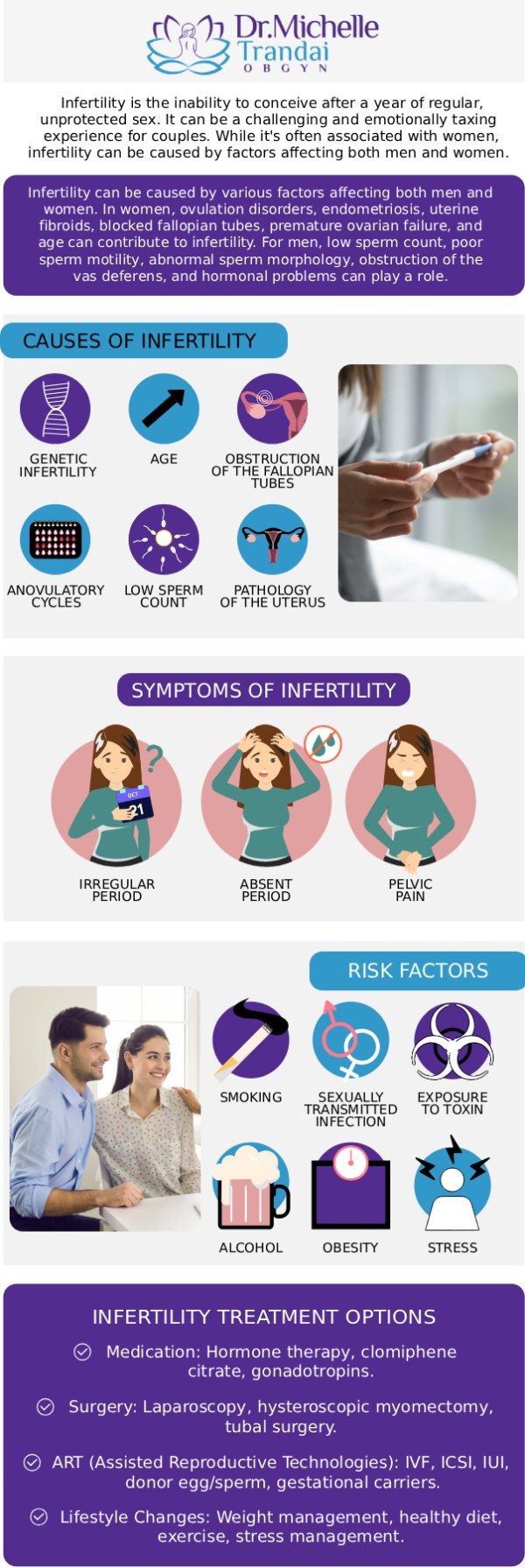
Table of Contents:
What questions should I ask my fertility clinic?
What are some possible reasons for infertility?
What are the different infertility treatments?
How do you check for infertility?
Personalized Infertility Care to Support Your Journey Toward Parenthood
If you and your partner are struggling to have a baby, you are not alone. Here in the United States, 10% to 15% of couples are infertile. Infertility is defined as not being able to get pregnant despite having frequent, unprotected sex for at least a year for most couples. Infertility could result from an issue with you or your partner, or a combination of factors that prevent pregnancy. However, the good news is that there are many safe and effective therapies that help improve your chances of getting pregnant.
Most often, your first fertility clinic appointment comes after months, maybe even years, of fear, frustration, and confusion. It is important to be prepared for your first consultation so that you can get the most information out of your visit. Here are some important questions to ask: Which tests should myself and/or partner undergo? What kinds of treatments or procedures does your clinic offer? What are my chances of getting pregnant? How much does each fertility treatment cost? How many healthcare professionals do you have at your clinic, and who will be doing my procedures? Would you recommend any lifestyle changes that I could make in order to increase the odds of conceiving? What are the next steps for treatment? When you arrive at your appointment, make sure the clinic has all your up-to-date medical records, and if possible, make sure your partner can also join you at your first appointment to meet the doctor. This is the opportunity for you and your partner to ask questions and get the best recommendations for treatment.
Ovulation disorders, uterine or cervical abnormalities, fallopian tube blockage or damage, pelvic adhesions, endometriosis, and early menopause are the main reasons for infertility. Age is another factor: women’s fertility declines with age, especially in their mid-30s, and it drops rapidly after age 37. Tobacco and alcohol use, being overweight or underweight, or having exercise issues also play a big role with infertility.
If you have been trying to get pregnant for quite sometime and have not been successful, your doctor may ask you what you have tried already and may discuss the best treatment options for you, which include: better time of intercourse, around your ovulation cycle; lifestyle changes, drugs to help treat hormonal problems or stimulate ovulation; surgery on your reproductive organs; or assisted human reproductions.
Your doctor may perform a number of tests in order to check for infertility. Fertility for women relies on the ovaries releasing healthy eggs, and the reproductive tract must allow an egg to pass into the fallopian tubes and join with sperm for fertilization. This means that the fertilized egg must travel to the uterus and implant in the lining. Tests will attempt to find out if any of these processes are impaired. A general physical examination may include ovulation testing, ovarian reserve testing, and x-rays to evaluate the condition of your uterus and fallopian tubes. Not every patient will require comprehensive testing, however, your doctor may decide on which tests you will have and when.
Infertility treatment depends on personal preferences, your age and your partner’s age, how long you have been infertile, and what’s causing the infertility. When spontaneous pregnancy doesn’t happen, couples may still achieve a pregnancy through the use of assisted reproductive technology.
Infertility treatments may involve commitment, but it’s worth it to have your first baby. If you have infertility, reach out to a doctor and ask about treatment options available. You might have fear, frustration, or confusion about infertility, however there are many solutions, which your doctor can highlight at your first appointment.
Dr. Michelle Trandai, MD, understands that infertility can be a deeply personal experience, and every patient’s fertility journey requires a customized approach. We provide personalized infertility care focused on identifying potential challenges, understanding reproductive health concerns, and developing a care plan tailored to your individual goals and needs.
Through comprehensive fertility evaluations and compassionate guidance, Dr. Michelle Trandai, MD helps patients better understand their options and take informed steps toward achieving their family-building goals. Our approach emphasizes open communication, supportive care, and individualized attention throughout every stage of the infertility evaluation and treatment process.
Whether you are experiencing challenges with conception or seeking a deeper understanding of your fertility health, our team is here to provide expert guidance and support. Visit Dr. Michelle Trandai, MD to explore personalized infertility care designed around your unique reproductive journey. Contact us for more information or request an appointment online. We are conveniently located at 5449 N Broadway, Chicago, IL 60640. We serve patients from Chicago IL, Edgewater IL, Evanston IL, Ravenswood IL, Uptown IL, Lake View IL, Lincoln Park IL, Buena Park IL, Bowmanville IL, Boystown IL and Roscoe Village, IL.
Check Out Our 5 Star Reviews





 How May I Help You?